Core Power vs Nurri: compare the bottle, protein and ingredients
Compare Core Power and Nurri using exact serving sizes, protein density, sweeteners and manufacturer lactose claims.
By the Protein Field Guide editorial team · Published October 14, 2026
Labels reviewed October 13, 2026 · Not taste-tested.
Core Power and Nurri both make shakes from ultra-filtered milk, but they are not interchangeable servings. Start with the amount of protein and the container you want to drink. Then check the ingredients and the exact pack you are buying. This comparison uses manufacturer information checked October 13, 2026; it does not include a taste test.
Choose the protein amount and serving size
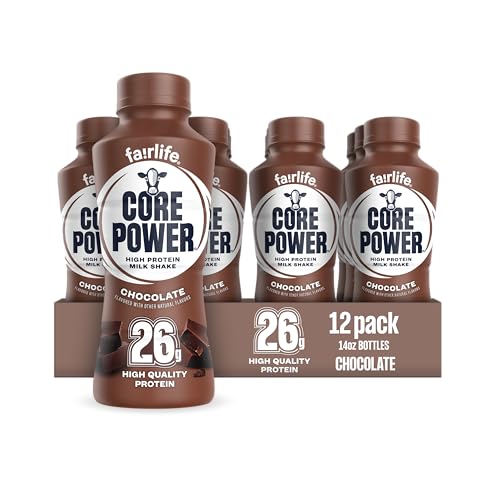
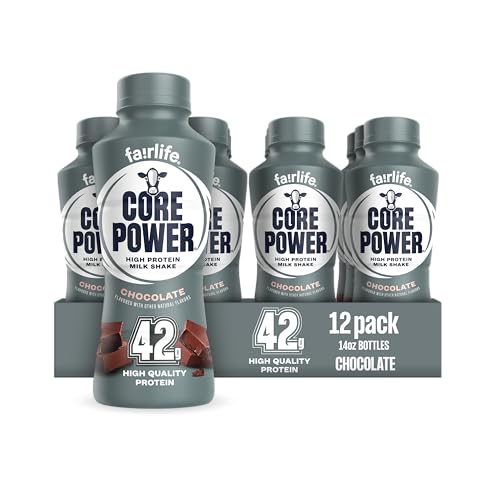
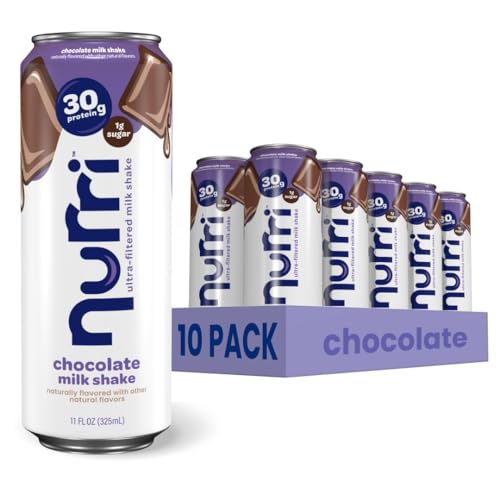
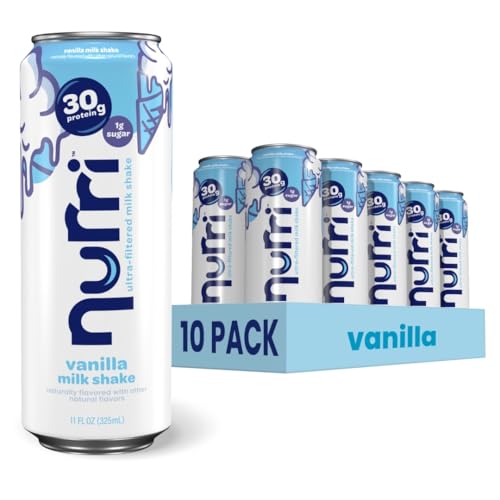
Core Power Chocolate 26g supplies 26 grams of protein in a 14-fluid-ounce bottle at 170 calories. Core Power Elite Chocolate provides 42 grams in the same bottle volume at 230 calories. Nurri Chocolate and Vanilla each provide 30 grams in an 11-fluid-ounce can at 150 calories.
That makes Nurri a smaller serving with more labeled protein than Core Power 26g. Elite supplies more protein per container than either. Neither observation proves that one is the right amount for everyone: compare the serving with the role you want the shake to play.
Understand what protein density measures
Dividing protein by calories gives approximately 15.29 grams per 100 calories for Core Power 26g, 18.26 for Elite Chocolate and 20 for Nurri. This is arithmetic from rounded nutrition labels, not a measure of taste, fullness, protein quality or overall nutrition.
Compare whole servings alongside that ratio. Someone deciding between an 11-ounce can and a 14-ounce bottle may care about volume as much as density. A normalized number should make the comparison clearer without hiding the actual container.
Read sweeteners without assuming a winner
The reviewed Core Power formulas list monk fruit, stevia, acesulfame potassium and sucralose. Nurri lists monk fruit, acesulfame potassium and sucralose. Both brands use more than one sweetener; the presence of monk fruit does not mean the other sweeteners are absent.
Nurri lists pectin, while the reviewed Core Power labels include carrageenan and cellulose ingredients. These are useful ingredient differences for a shopper checking a preference. They do not establish that one formula will be easier for a particular person to tolerate.
Keep the sugar conflict and milk distinction visible
Nurri’s reviewed labels show 1 gram of sugar. Core Power Chocolate 26g has a source conflict: fairlife’s brand page reports 5 grams while its shop page reports 7. Do not use an apparently precise sugar comparison to choose between them until the purchased package is reconciled.
Both manufacturers describe these products as lactose-free, and both still contain milk. Lactose-free does not mean dairy-free or suitable for a milk allergy. On Amazon, match flavor, container volume and case count before comparing the total checkout cost.
Check our sources
Manufacturer information was reviewed October 13, 2026. Formulas can change; your bottle’s label takes priority.
- fairlife Core Power Chocolate 26g product label
- fairlife Core Power Chocolate 42g product label
- fairlife shop: Core Power Chocolate
- fairlife frequently asked questions
- Nurri Chocolate ingredients and product information
- Nurri Vanilla ingredients and product information
- Nurri Chocolate manufacturer nutrition panel
- Nurri Vanilla manufacturer nutrition panel
- NIDDK: lactose intolerance and milk allergy