What ultra-filtered milk means in a protein shake
Learn how ultra-filtered milk differs from a shake made with added dairy proteins, and which label details still matter.
By the Protein Field Guide editorial team · Published October 14, 2026
Labels reviewed October 13, 2026 · Not taste-tested.
Ultra-filtered milk describes a processing approach, not a complete nutrition profile. It can help explain a shake’s protein source, but it does not tell you everything about sugar, sweeteners, allergens or storage. Read that phrase alongside the ingredient list and the exact serving-size panel.
Follow the protein source in the ingredient list
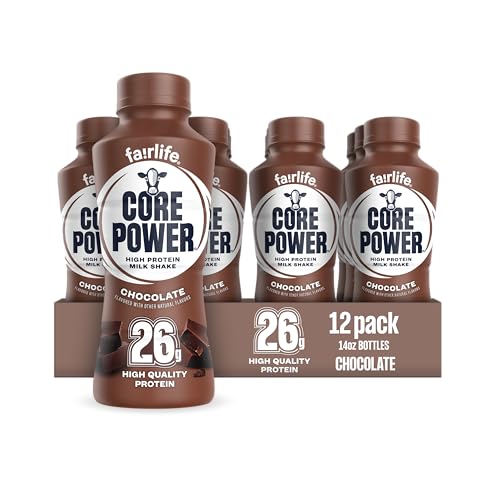
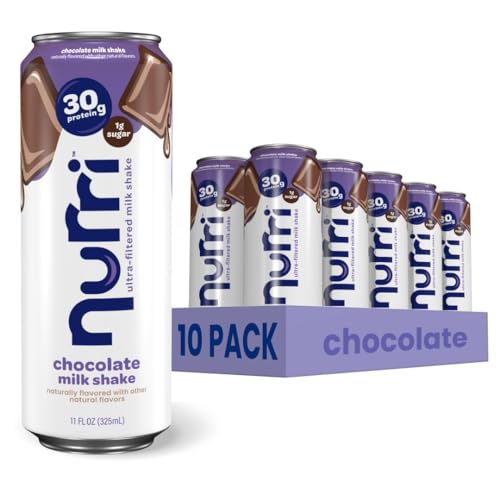
fairlife describes its filtration process as concentrating the protein naturally present in milk. For Core Power and Nutrition Plan, the manufacturer specifically says it does not add protein powders or concentrates. Nurri’s reviewed shake ingredient lists begin with ultra-filtered skim milk, followed by water and cream.
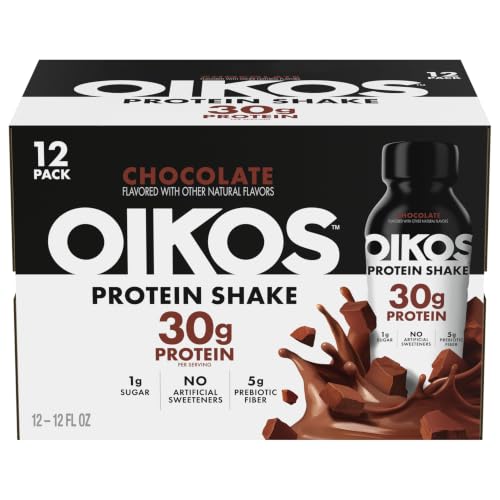
Other dairy shakes use a different formulation: water combined with milk protein concentrate, milk protein isolate or caseinate. Oikos shelf-stable shakes are one example. Both approaches can contain dairy proteins; the ingredient distinction is not proof that one gives better results or has a better taste.
Ultra-filtered milk and ultra-filtered milk protein are not identical claims
Orgain’s 30g catalog uses ultra-filtered premium milk protein wording, while its Chocolate Fudge carton lists milk protein isolate and concentrate. That should not be rewritten as a no-added-protein-concentrates claim. Preserve the manufacturer’s precise wording and the ingredient evidence together.
This is especially useful when comparing brands that sell several product families. A new ultra-filtered milk product does not retroactively change the formulation of every shake carrying the same brand name. Product line and formula version belong beside flavor and volume in your records.
Filtration does not settle lactose or allergy questions
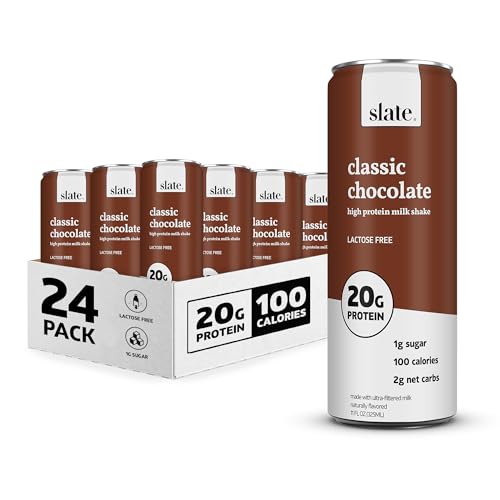
Filtration and the use of lactase are separate details. Core Power, Nurri and Slate Classic carry manufacturer lactose-free statements, and their reviewed ingredients include lactase. Do not assume every ultra-filtered milk drink has that status just from the words on its front label.
Milk allergy is also a different question. It involves milk proteins; lactose intolerance concerns the digestion of milk sugar. A lactose-free dairy shake still contains milk proteins. That distinction matters more than a low total-sugar number when deciding which product category to investigate.
The rest of the label still deserves attention
Compare calories, protein, flavor-specific sugar, sweeteners and serving volume directly. Nurri lists sucralose and acesulfame potassium alongside monk fruit. Slate Classic Chocolate uses monk fruit and stevia. Sharing an ultra-filtered base does not mean sharing the same ingredient preferences.
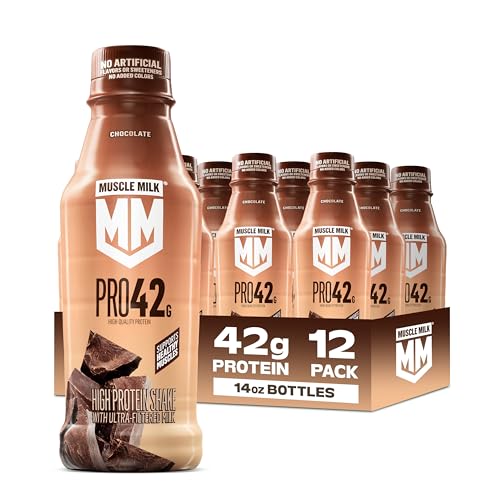
Muscle Milk illustrates why dated evidence matters: the current Pro Chocolate 14-ounce label is a 42g ultra-filtered milk formulation, separate from older 40g Pro products. Match the actual label to the listing instead of attaching today’s formulation to a familiar older name.
Use ultra-filtered as a useful category filter, then narrow the choice using the full product identity. It is not a taste score, a health guarantee or a substitute for storage instructions on the package.
Check our sources
Manufacturer information was reviewed October 13, 2026. Formulas can change; your bottle’s label takes priority.
- fairlife frequently asked questions
- Nurri Chocolate ingredients and product information
- Slate Classic Chocolate product label
- Muscle Milk Pro Chocolate 14 oz product information
- PepsiCo product label: Muscle Milk Pro Chocolate GTIN 00052000068122
- Orgain healthcare catalog, October 2025, pages 31–32
- Oikos Chocolate shelf-stable protein shake
- NIDDK: lactose intolerance and milk allergy